Professional Electrical Contractor Solutions for Any Requirement
Experienced electrical contractor offerings address a diverse range of demands within commercial and residential sectors. These professionals guarantee adherence with safety regulations and boost operational efficiency. From setup to energy conservation, their expertise is vital for reducing risks and avoiding costly errors. Grasping the intricacies of local codes further reinforces their worth. Nevertheless, navigating the engagement and selection procedure can prove complicated, raising important questions about selecting the right contractor for particular requirements.
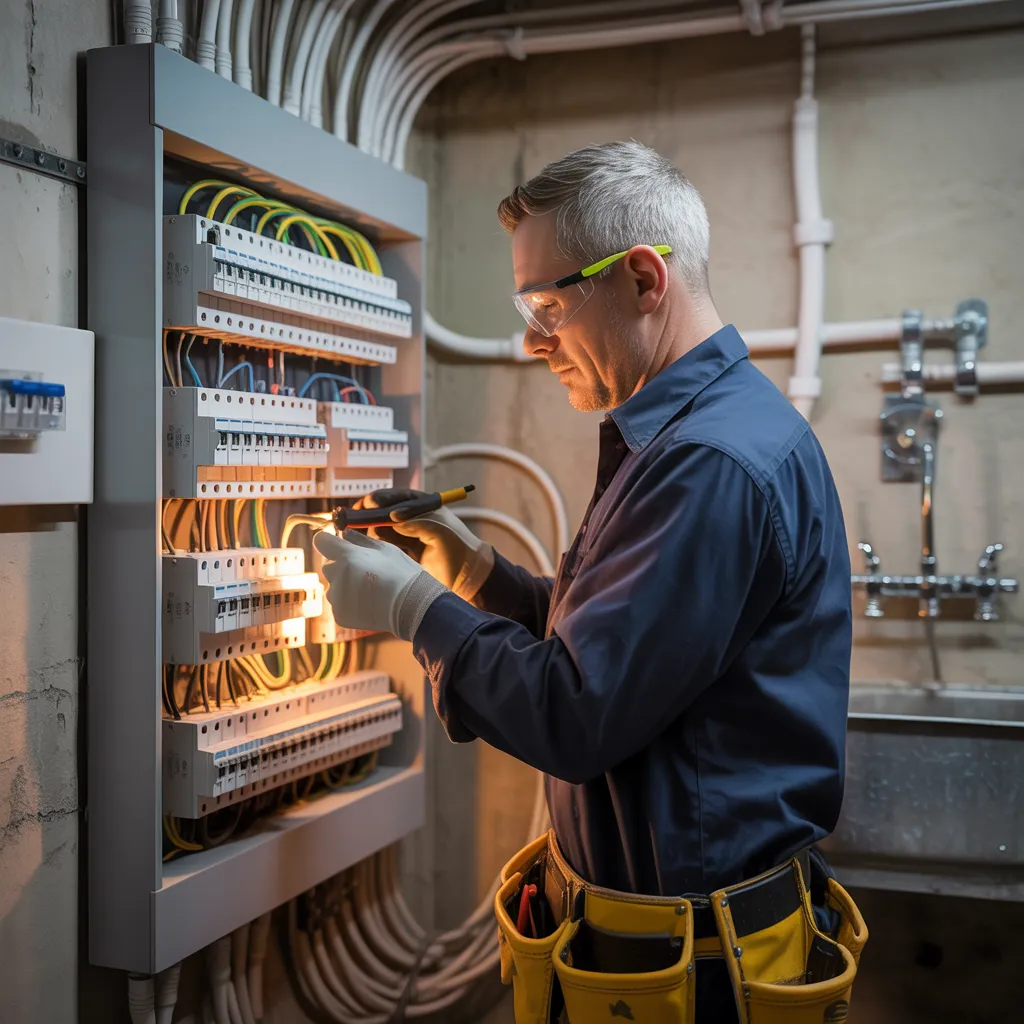
Why Working with a Certified Electrical Contractor Is Imperative
Bringing on a experienced electrical contractor can greatly influence the protection and operability of a property's electrical system. These skilled experts possess the vital know-how and background to guarantee that all electrical installations meets regional standards and regulations. This adherence cuts down the risk of dangers such as electrical fires, electrical shock, and equipment failure. Moreover, a qualified contractor can accurately evaluate the specific power requirements of a structure, providing tailored approaches that enhance output and performance.
In conjunction with security, engaging an expert can avert costly mistakes that often result from do-it-yourself efforts or hiring unqualified people. Their expertise permits timely project completion without diminishing quality. Moreover, a reputable contractor usually offers guarantees and warranties, delivering peace of mind to homeowners. Ultimately, the choice to engage a certified electrical professional is not merely about convenience; it is an important investment in the long-term safety and dependability of a property's electrical system.
Typical Power Solutions Supplied by Contractors
A comprehensive selection of electrical expertise is typically provided by service providers to satisfy diverse client demands. These offerings encompass residential wiring, where technicians establish and care for electrical infrastructure in houses, ensuring safety and compliance with local codes. Commercial electrical installations involves setup and restoration in workplace locations, emphasizing efficient energy use and dependable performance.
Moreover, contractors furnish lighting installation and upgrades, strengthening both design and usability in various spaces. They also specialize in assessing and mending electrical issues, managing issues like intermittent lighting or circuit overloads.
Furthermore, electrical audits are performed to help clients cut back on energy usage and reduce electricity expenses. Contractors often deliver support with the installation of smart home systems, deploying technology for improved control and comfort. Finally, emergency electrical services are provided to manage pressing problems, making sure that clients obtain timely support when required.
Evaluating Electrical Contractor Credentials
Assessing the credentials of an electrical contractor is vital for ensuring excellence and safety in electrical work. Key considerations encompass the required permits and qualifications, thorough coverage and liability protection, and a established history of competence. These components collectively provide a foundation for evaluating the contractor reliability and professionalism.
Licenses And Certifications Compulsory
Licensing and certifications operate as critical indicators of an electrical contractor's competence and observance to industry standards. Each region has distinct licensing requirements that contractors are obliged to satisfy, often requiring a mix of education, training, and experience. Certifications from certified organizations further authenticate a contractor's expertise in particular fields, including residential, commercial, or industrial electrical work. These credentials not only ensure compliance with local regulations but also reflect a commitment to safety and professionalism. Clients should verify these credentials before hiring, as licensed contractors tend to be more knowledgeable about current codes and best practices. Ultimately, proper licensing and certifications improve consumer confidence and contribute to the successful execution of electrical projects.
Insurance And Legal Coverage
Insurance and liability coverage are critical components when evaluating the credentials of an electrician. These protections guarantee that both the service provider and the client are protected against possible mishaps. A qualified electrical contractor should have comprehensive liability coverage, which protects against property damage or harm that may happen during the project. Additionally, employee injury coverage is crucial, as it shields against on-the-job harm sustained by staff members. Clients should verify that the service provider's insurance is up-to-date and sufficient to cover the scope of work. This not only reduces monetary exposure but also demonstrates the contractor's dedication to professional standards and safe practices. Ultimately, robust insurance and liability coverage act as signs of a reliable and responsible electrician.|Insurance and liability coverage are essential components when reviewing the qualifications of an electrician. These protections ensure that both the contractor and the customer are protected against possible mishaps. A qualified electrical contractor should have comprehensive liability coverage, which covers structural damage or injuries that may happen during the project. Additionally, employee injury coverage is crucial, as it protects against workplace injuries incurred by employees. Clients should confirm that the service provider's insurance is up-to-date and sufficient to account for the scope of work. This not only reduces financial risk but also demonstrates the service provider's dedication to safe practices and professional standards. Ultimately, comprehensive insurance and liability coverage serve as indicators of a trustworthy and accountable electrical contractor.|Insurance and financial protection are essential aspects when evaluating the qualifications of an electrical contractor. These protections guarantee that both the contractor and the customer are safeguarded against potential accidents. A competent electrician should have comprehensive liability coverage, which covers property damage or consult article injuries that may occur during the job. Additionally, employee injury coverage is essential, as it protects against on-the-job harm incurred by staff members. Customers should confirm that the contractor's coverage is current and sufficient to account for the extent of the project. This not only mitigates financial risk but also reflects the contractor's commitment to safe practices and professional standards. Ultimately, robust protective insurance and liability protections act as indicators of a trustworthy and accountable electrical contractor.
Knowledge And Portfolio
Experience serves as a cornerstone in assessing the expertise of an electrical contractor. A contractor's background of completed projects reflects their ability to manage various electrical tasks, from residential installations to complex commercial systems. Potential clients should examine the contractor's portfolio, seeking evidence of successful projects that match their specific needs. Additionally, years in the industry often point to a deeper understanding of regulatory requirements and safety standards. Client testimonials and reviews can deliver insights into reliability and customer satisfaction. Certifications and licenses further substantiate a contractor's expertise, showcasing ongoing education and adherence to industry standards. Ultimately, a robust track record supports informed decision-making, ensuring clients select a contractor capable of delivering quality work consistently.
How Electrical Technicians Contribute to Home Renovations
Across the complex choreography of home remodeling, electrical contractors serve as key players, ensuring that every electrical and light choice enhances both security and visual appeal. Their knowledge is essential in designing and implementing electrical configurations that comply with building codes and regulations. From installing power-saving illumination to strategically placing outlets, these professionals guarantee functionality and convenience throughout the home.
Additionally, electrical contractors examine existing systems, spotting required enhancements or restoration work that improve total power performance. This not merely decreases utility costs but further aids in a more sustainable living environment. They partner with other tradespeople, synchronizing their work with plumbing, carpentry, and design elements to establish a unified renovation blueprint.
In the end, the role of electrical contractors is indispensable for turning a house into a protected, elegant, and up-to-date home, stressing their importance in any successful renovation project.
Electrical Contractor Alternatives for Commercial Spaces
Throughout commercial spaces, electrical contractors take on a vital role in deploying high-performance electrical systems and energy management systems. These solutions not only elevate operational efficiency but also produce monetary savings over time. By centering on innovative electrical designs, businesses can lower their energy consumption and fortify overall functionality.
Efficient Wiring Installations
Efficient wiring configurations are indispensable for advancing operational performance and safety in commercial spaces. A well-conceived wiring structure enhances electrical output while reducing the likelihood of hazards. Expert electrical contractors assess the unique requirements of each facility, guaranteeing that wiring is tailored to facilitate various applications, from lighting to heavy machinery. By utilizing superior materials and complying to industry standards, they diminish repair complications and extend the working life of electrical systems. In addition, proficient wiring arrangements promote upcoming modifications and expansions, allowing businesses to evolve to progressive technological demands. Ultimately, investing in efficient wiring systems not only elevates operational efficiency but also contributes to a more secure working environment, fostering overall productivity and peace of mind for both employers and employees.
Energy Management Systems designed to boost efficiency and minimize utility bills
Optimizing electrical systems is more than efficient wiring installations; it includes deploying energy management systems (EMS) that increase energy efficiency in commercial spaces. EMS solutions offer real-time monitoring and control of energy consumption, enabling businesses to identify usage patterns and reduce waste. By integrating advanced technologies, like smart meters and automated controls, EMS can lower operational costs significantly while supporting sustainability. Electrical contractors hold an essential role in designing and implementing these systems, ensuring they address specific commercial needs. With tailored EMS solutions, businesses can reach higher energy efficiency, comply with regulations, and improve their overall operational performance. Adopting an EMS not only helps the bottom line but also contributes to a greener environment.
How to Share Your Project Needs With Construction Professionals
Clearly expressing project requirements is crucial when working with electrical contractors. Clients should start by defining the project scope, specifying the type of work needed, whether it's new installations, improvements, or fixes. Offering comprehensive information helps contractors grasp expectations and necessary resources.
Additionally, clients should communicate their budget constraints and timelines. Exchanging these factors allows vendors to offer realistic strategies and plans. It is also beneficial to deliberate any specific preferences for materials or technologies, as well as any relevant protective or legal considerations.
Visual aids, including diagrams or photos, can further enhance comprehension. Promoting transparent communication fosters a collaborative atmosphere, enabling contractors to ask clarifying questions and suggest alternatives. Finally, establishing a main communication liaison ensures smooth coordination throughout the project. By following these guidelines, clients can effectively communicate their needs, leading to positive results.
What Happens During the Electrical Construction Stage
What can one expect during the electrical work procedure? Initially, the electrician will perform an assessment of the project needs, discussing the extent and any specific concerns. Following this, they will provide a detailed estimate, outlining costs and timelines. Once the contract is in effect, the contractor will arrange the job and obtain any required licenses.
During the actual work, one can expect clear communication regarding progress and foreseeable disruptions. The contractor will guarantee safety standards are followed, limiting risks to both workers and residents. As the project advances, reviews may occur to validate compliance with local codes.
After completion, the contractor will execute a final walkthrough, addressing any concerns and guaranteeing all systems function correctly. Subsequently, they will provide documentation, including warranties and maintenance tips, making sure that the homeowner is properly educated about their new electrical installations. This thorough process aims to deliver trustworthy and productive electrical solutions.
Frequently Asked Questions
What Is the Standard Price of Retaining an Licensed Electrician?
The standard cost of engaging an licensed electrician usually spans from $50 to $100 per hour, influenced by the scope and difficulty and location. Flat fees for certain tasks may likewise be relevant, fluctuating based on circumstances.
What Duration Is Required for Typical Electrical Work to Be Finished?
Standard electrical work duration varies, often requiring a few hours to many days, reliant on the project's complexity. Factors such as the type of installation, present wiring state, and team capability are crucial in completion time.
Do All States Require Electrical Contractors to be Registered?
Licensed electrical professionals are generally mandated in most states, ensuring they meet specific training and experience criteria. However, licensing requirements can differ considerably, so it's important to verify regional requirements for reliable information.
Can I manage to Handle Any Electrical Tasks On My Own?
Individuals can complete some minor electrical work themselves, such as changing outlets or light fixtures, but must follow local codes. For complicated tasks, hiring a licensed professional is recommended to guarantee safety and compliance.
What Ought to I Do in Case of an Electric Emergency?
During an electrical emergency, it is important to immediately turn off the power at the circuit breaker, refrain from touching any live wires, and call a qualified electrician for assistance to secure safety and proper resolution.